ALF and functional appliances

Guiding your jaw and airway toward how they were always meant to work.

A discreet, removable appliance that works with the body's own forces to encourage gentle structural change over time.

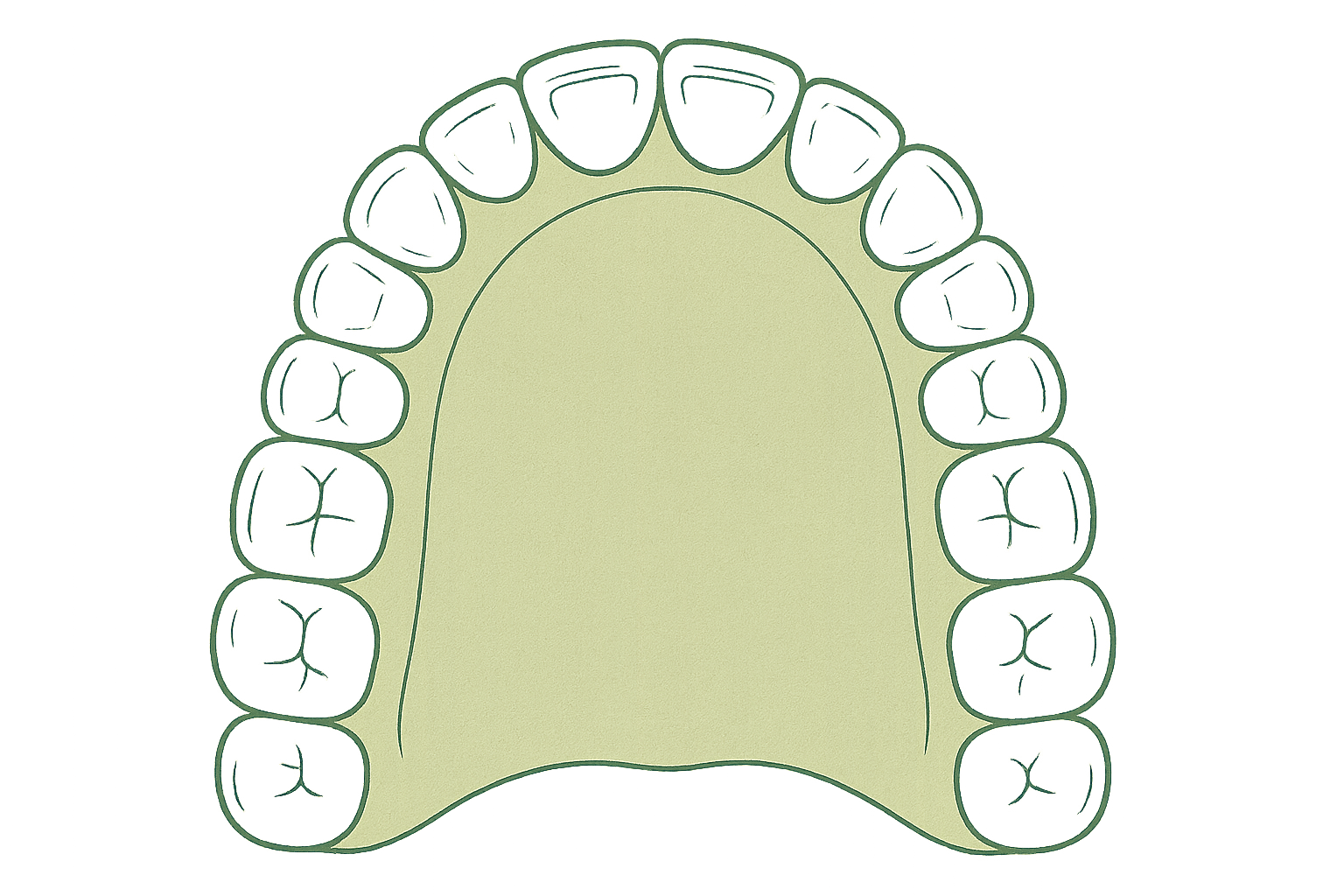
Craniofacial line illustration
Fig. 01 Structure, airway, and function
What is ALF?

Working with the body's own forces

ALF stands for Advanced Lightwire Functional appliance. It is a small, removable wire appliance that sits in the mouth and works with the body's own natural forces to gently encourage structural change over time.

Unlike a brace designed purely to move teeth, ALF works at a deeper level. It engages the soft tissues, the tongue, and the cranial system to support change that can be more stable and more functional. The appliance is discreet, lightweight, and does not rely on heavy mechanical forces to produce results. For many patients, it can be a more comfortable and less disruptive experience than conventional orthodontic treatment.
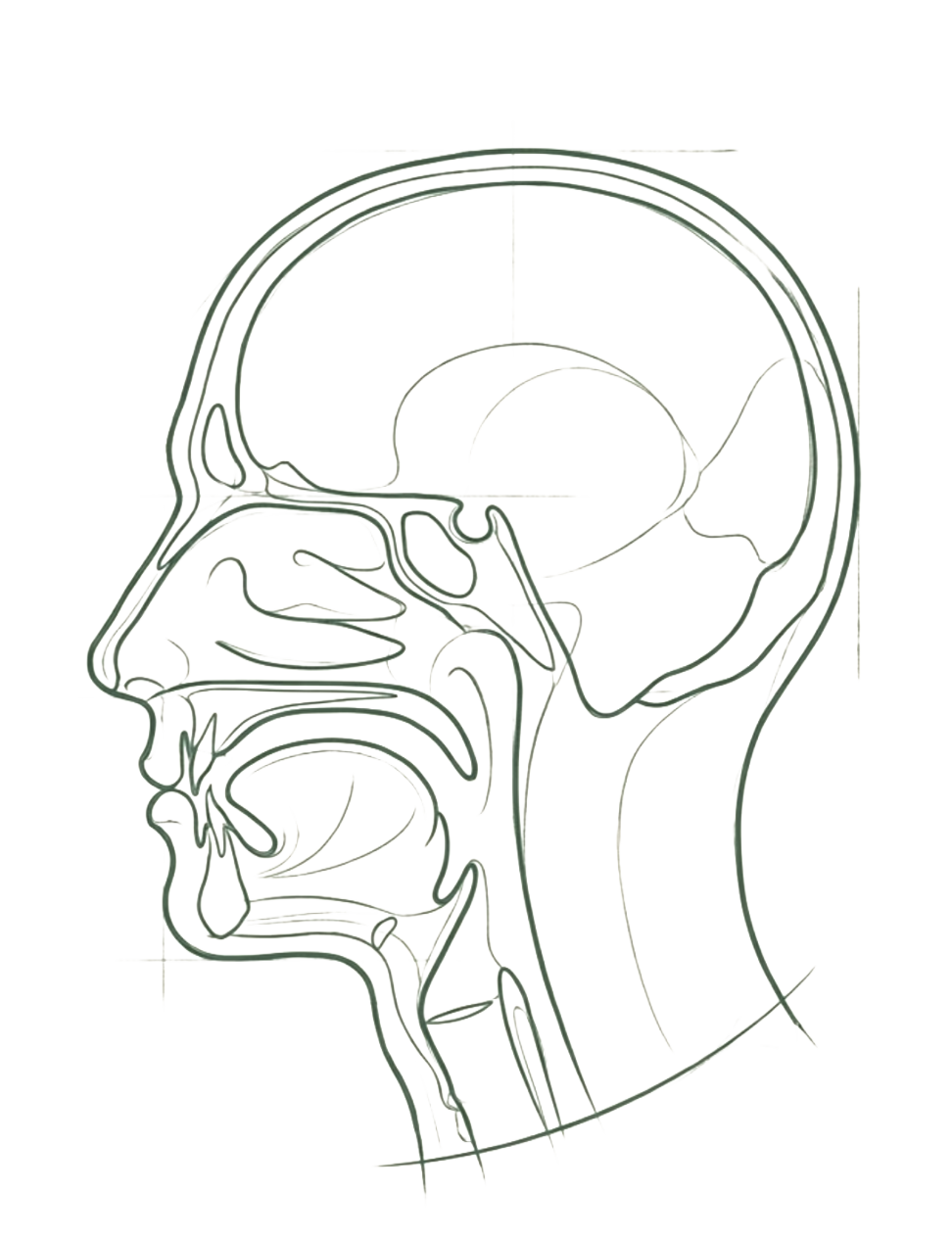
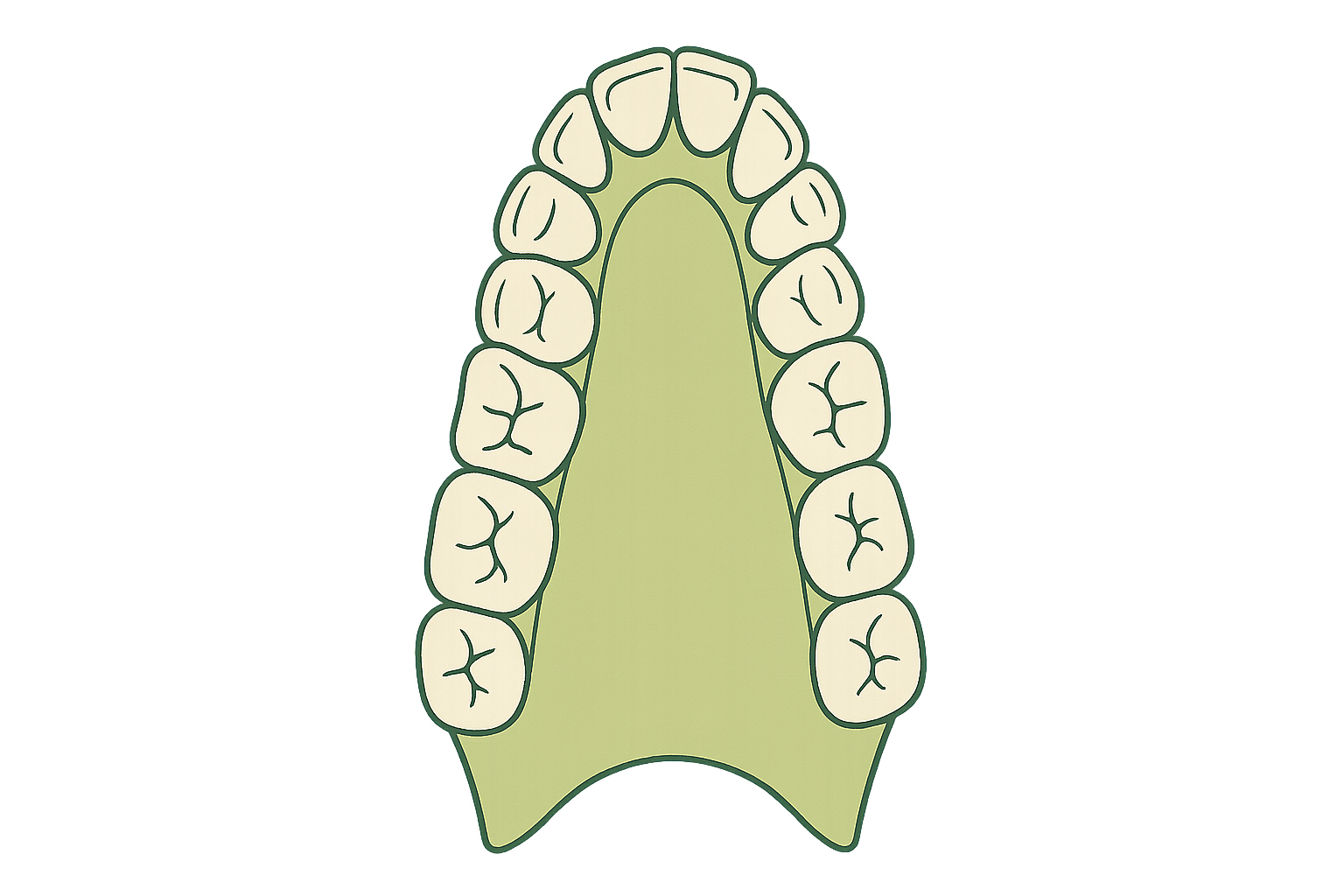
A narrow, constricted dental arch before treatment A broad, well-developed dental arch after treatment Before After
↔ Drag to compare A narrow, constricted arch guided gently into a broad, well-developed one.
How it works

ALF uses very light wire tensions to apply gentle, continuous pressure across the palate and dental arch. This encourages the bones of the upper jaw to respond and adapt gradually, in a way that mirrors natural developmental forces.

The wire is shaped precisely to each patient's anatomy. As the jaw responds, the appliance is adjusted incrementally at each visit. Patients typically wear the appliance full time, removing it only to clean it. Most people adapt to speaking with it within a few days. The process is gradual by design. Structural change of this kind takes time, and the measured pace of ALF treatment reflects that reality.

Who it helps

For children

For children, ALF can guide jaw and palate development during the years when growth is still active. This can help create sufficient space for the teeth and tongue, support nasal breathing, and reduce the likelihood of more involved treatment later.

Children's care

For adults

For adults, ALF can be part of a broader plan to address structural issues that have accumulated over years, including restricted breathing, jaw discomfort, bruxism, and bite instability. The focus here is functional health restoration, not cosmetic change. Many adults find that addressing these underlying structural factors can have a meaningful effect on how they feel day to day.

Adult treatment
ALF vs traditional braces

Traditional braces are designed primarily to align teeth. They apply fixed, often fairly heavy forces to move teeth into a predetermined position. The structural causes of crowding or misalignment are often left unaddressed.

ALF works differently. Rather than correcting the appearance of the teeth alone, it aims to address the conditions that led to the problem in the first place, including narrow arches, restricted tongue function, and compromised airway space. It works with the body rather than against it, using forces that respect the biological rhythms of the cranial and musculoskeletal system. For patients where function and structural health are the priority, that distinction matters.

Common questions

Questions about ALF

A few of the ones we hear most. The full list answers more across every topic.

What is ALF?+

ALF stands for Advanced Light Force. It is a removable orthodontic appliance that applies very gentle, biologically compatible forces to guide jaw development and expand the dental arches. It works differently from rapid palatal expanders, which use heavy, fast forces. ALF treatment respects the natural mechanics of the cranial and facial structures, which can make it better suited to patients where cranial balance is a concern.

Do you use rapid palatal expansion?+

No. We use slow, biological expansion techniques that work with the body's natural pace of development. We do not apply heavy or rapid forces to the jaw or palate.

What is a CBCT scan, and will I need one?+

A cone beam CT scan produces a three-dimensional image of the jaw, airway, and surrounding structures. It allows us to measure nasal and oral airway dimensions, assess tonsil and adenoid size, identify structural imbalances, and spot dental infections that do not show on standard X-rays. Not every patient requires one, but it is often a valuable part of a thorough assessment.

How long does treatment take?+

Treatment duration varies considerably depending on the patient's age, the conditions being addressed, and the combination of therapies involved. Childhood cases with straightforward structural concerns may resolve over twelve to twenty-four months. Adult cases involving TMJ dysfunction, sleep concerns, and layered structural issues can take longer. We will give you a realistic picture at your assessment.

See all FAQs →

Ready to find out if ALF is right for you?

Find out whether ALF is right for you.

Book a consultation with the Growth and Airway team to discuss whether ALF or another functional appliance is appropriate for your situation.