Image — ChildrenA child in natural light, calm and at ease. Warm, never clinical.
For children
Early signs are an opportunity, not a verdict
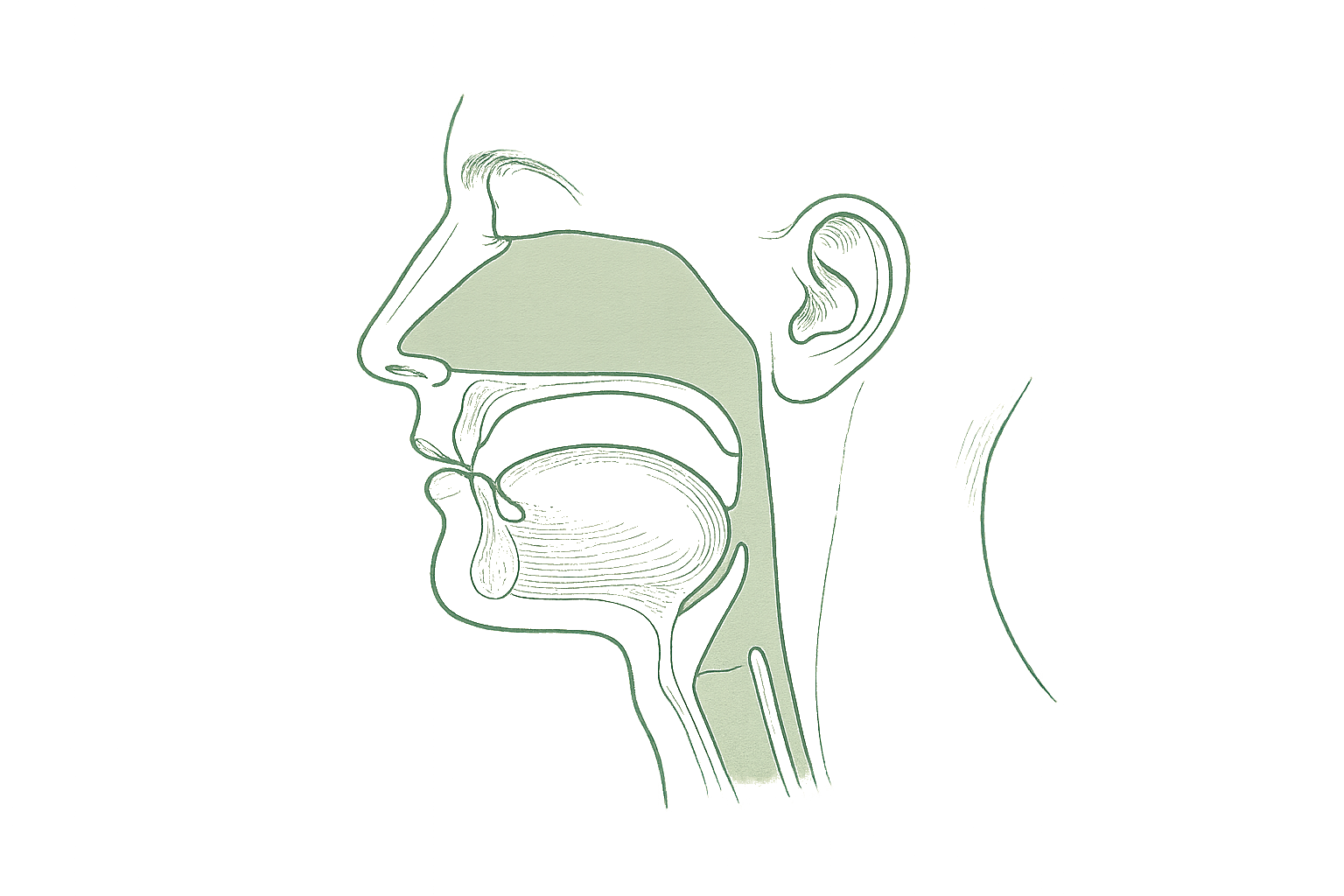
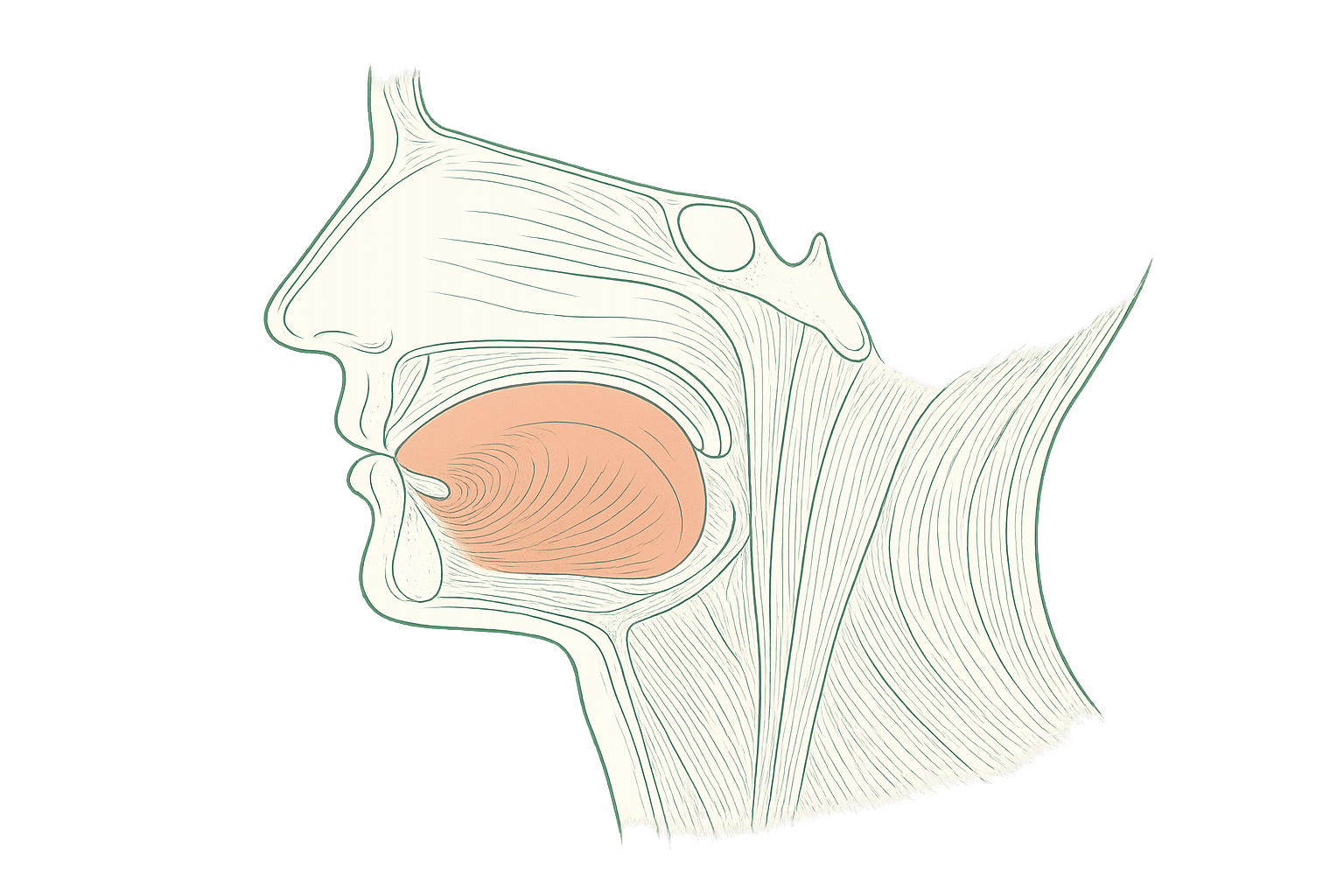
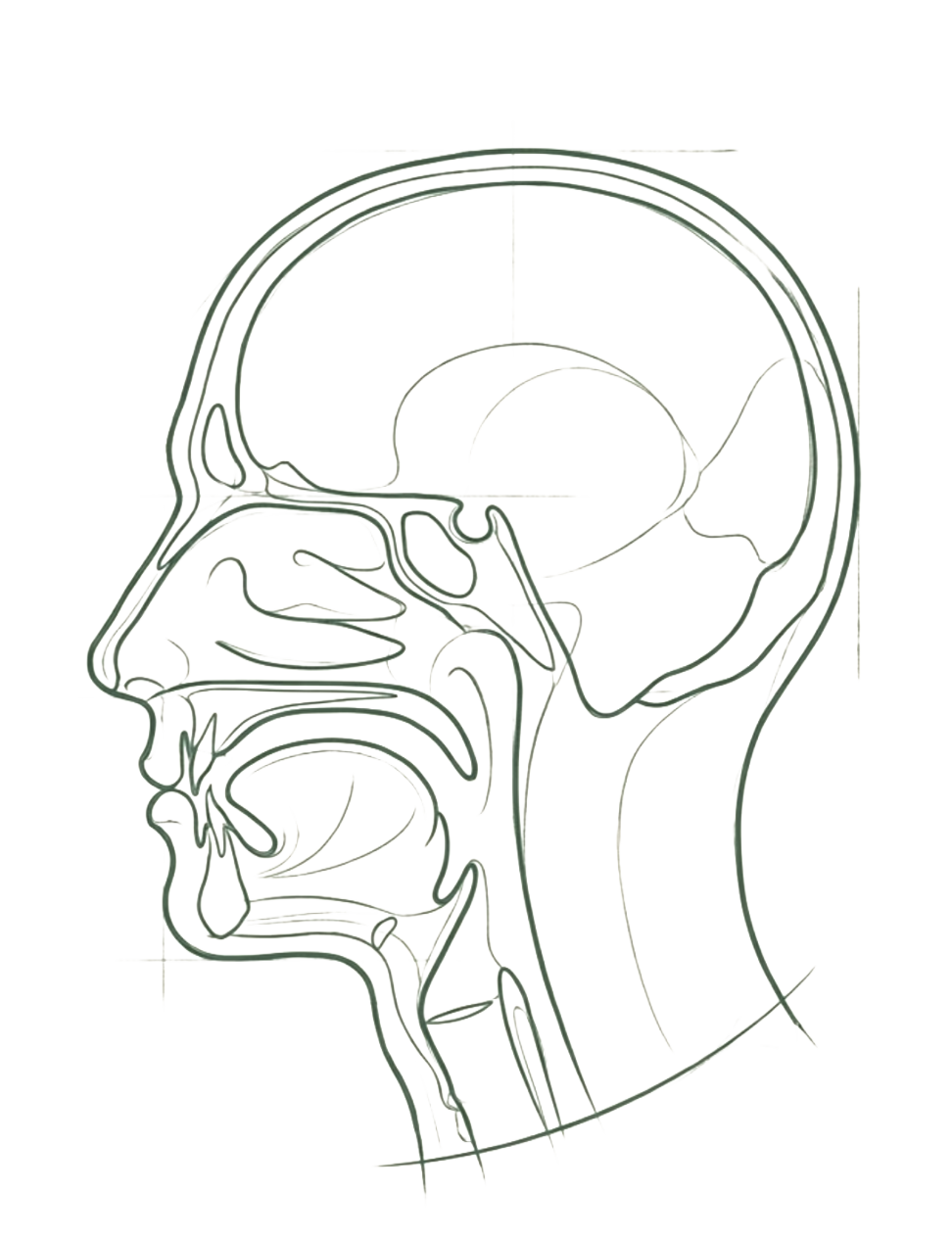
Children who mouth breathe, snore, grind their teeth at night, have crowded teeth, or struggle with sleep are often showing the early signs of airway and structural development issues. When these patterns are identified before the face has finished growing, the opportunity to change the trajectory is significant.
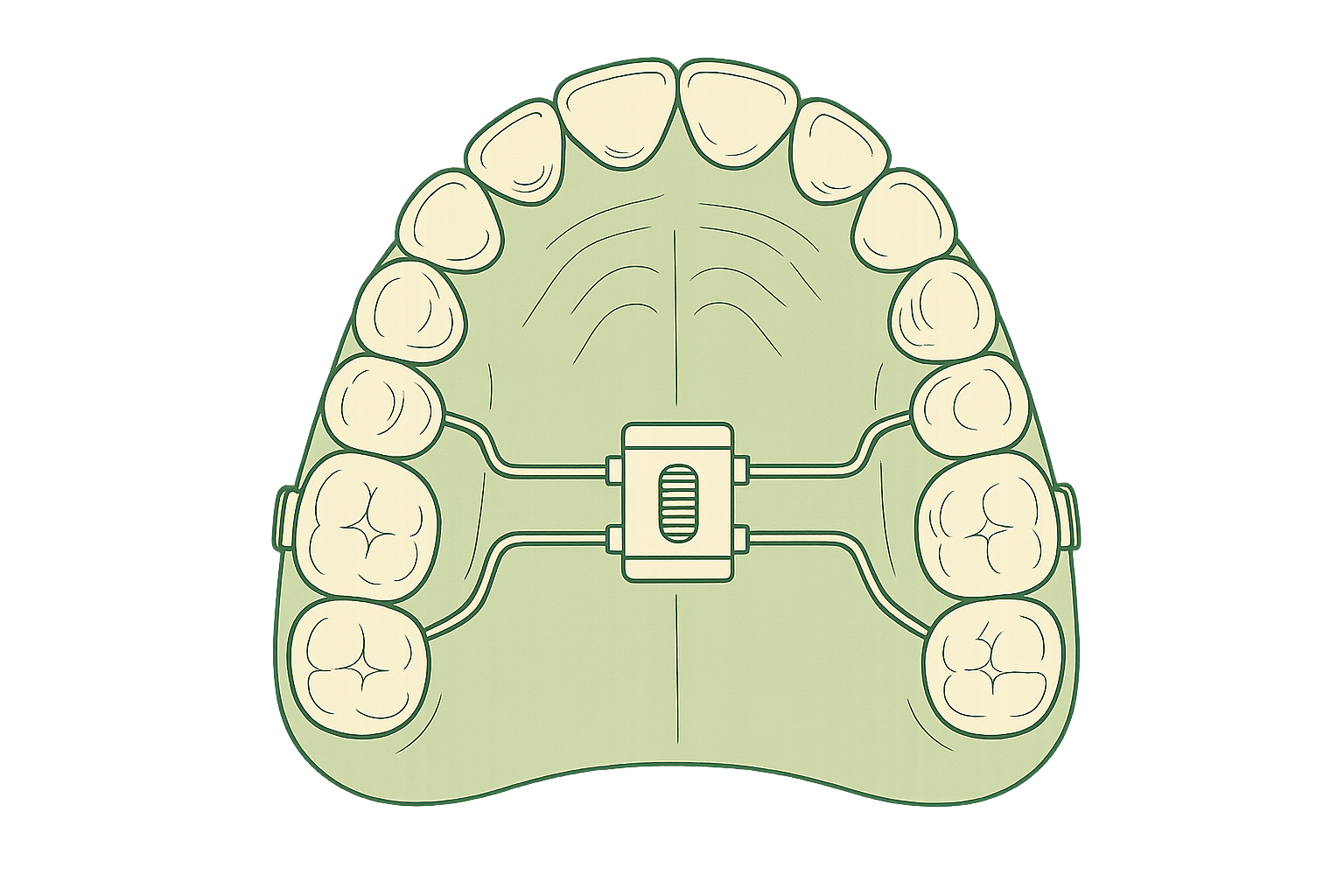
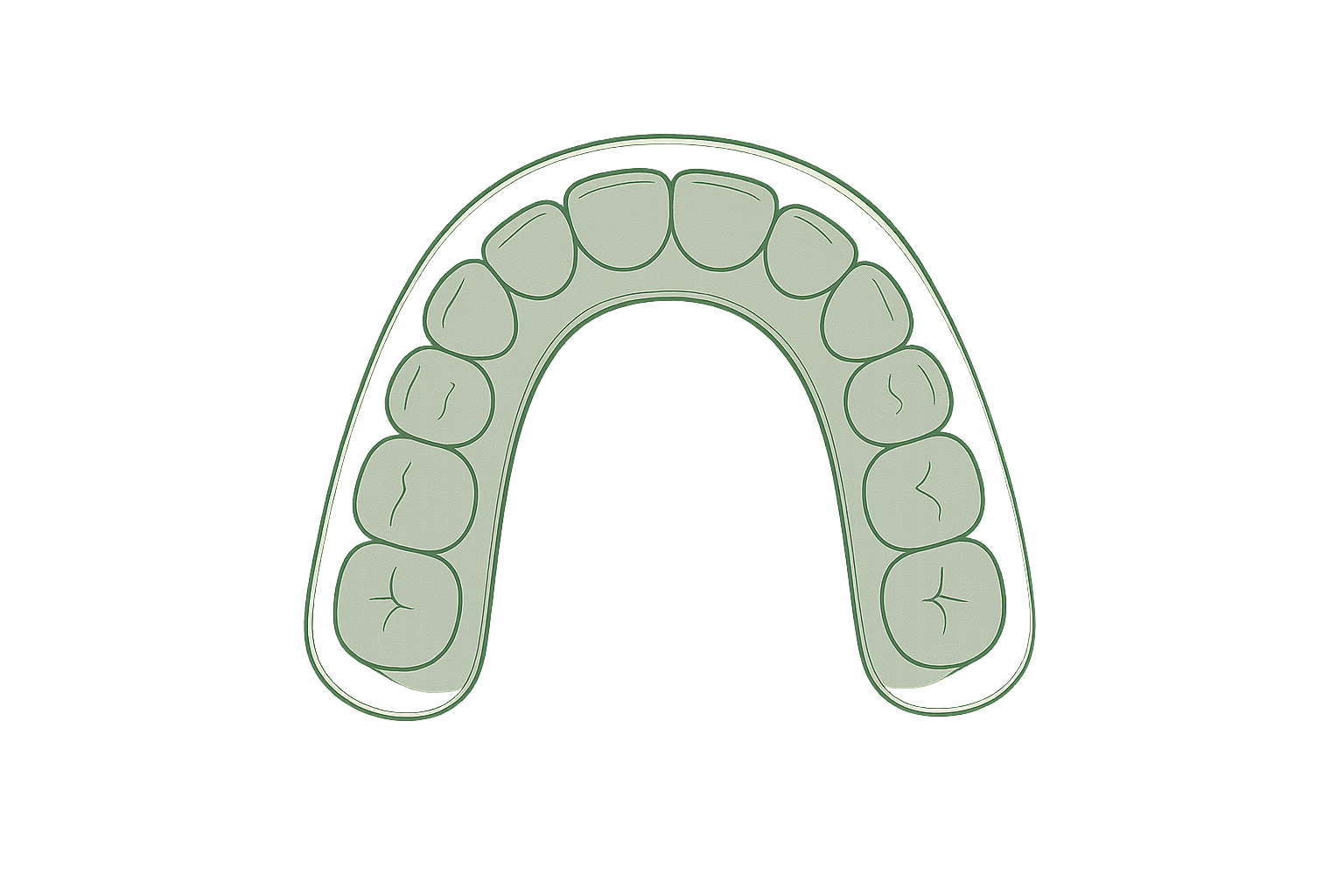
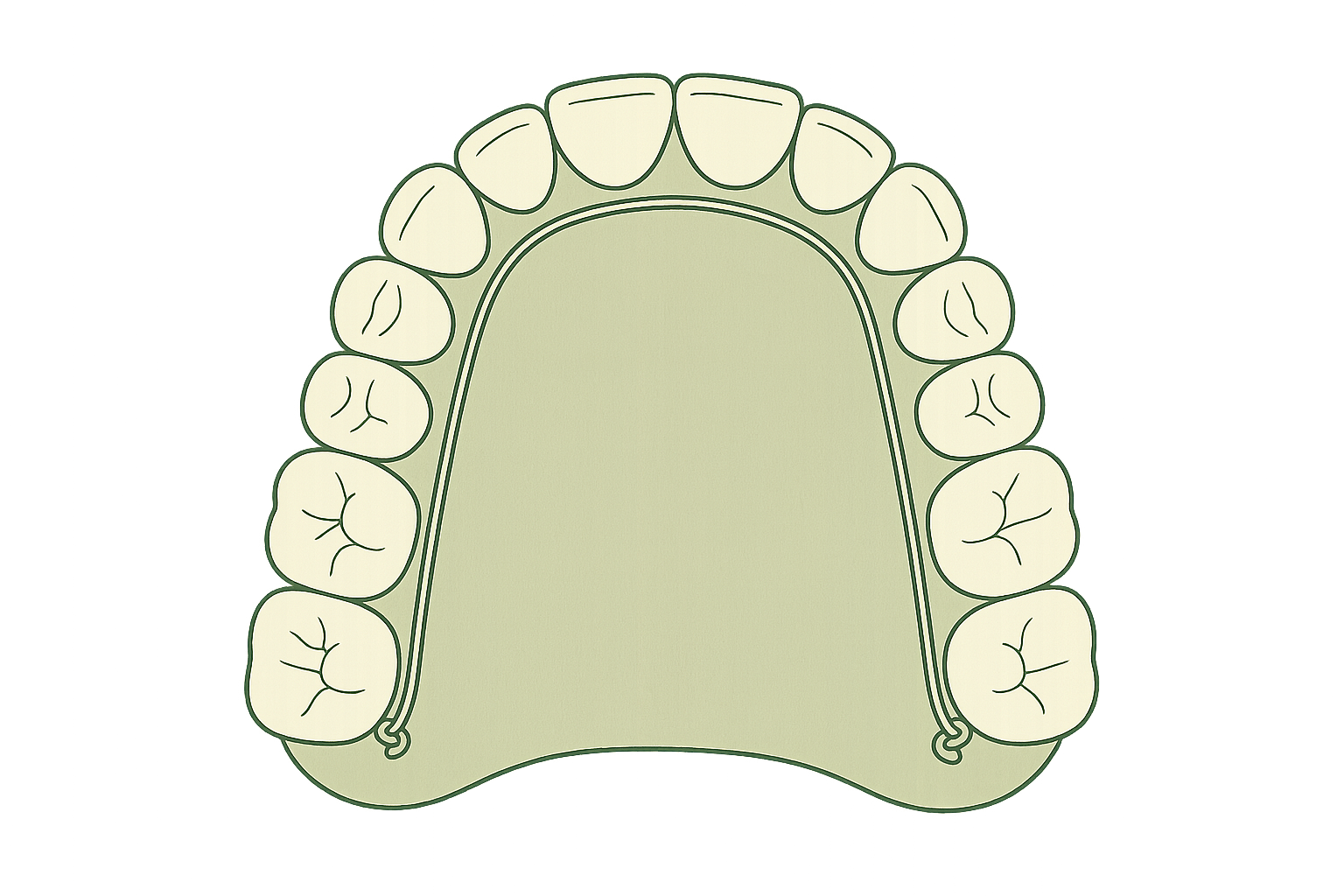
Early intervention with functional appliances, myofunctional therapy, and airway assessment produces results that become far more difficult to achieve once skeletal growth is complete. The window matters, and we know how to use it.
Explore how we help children →